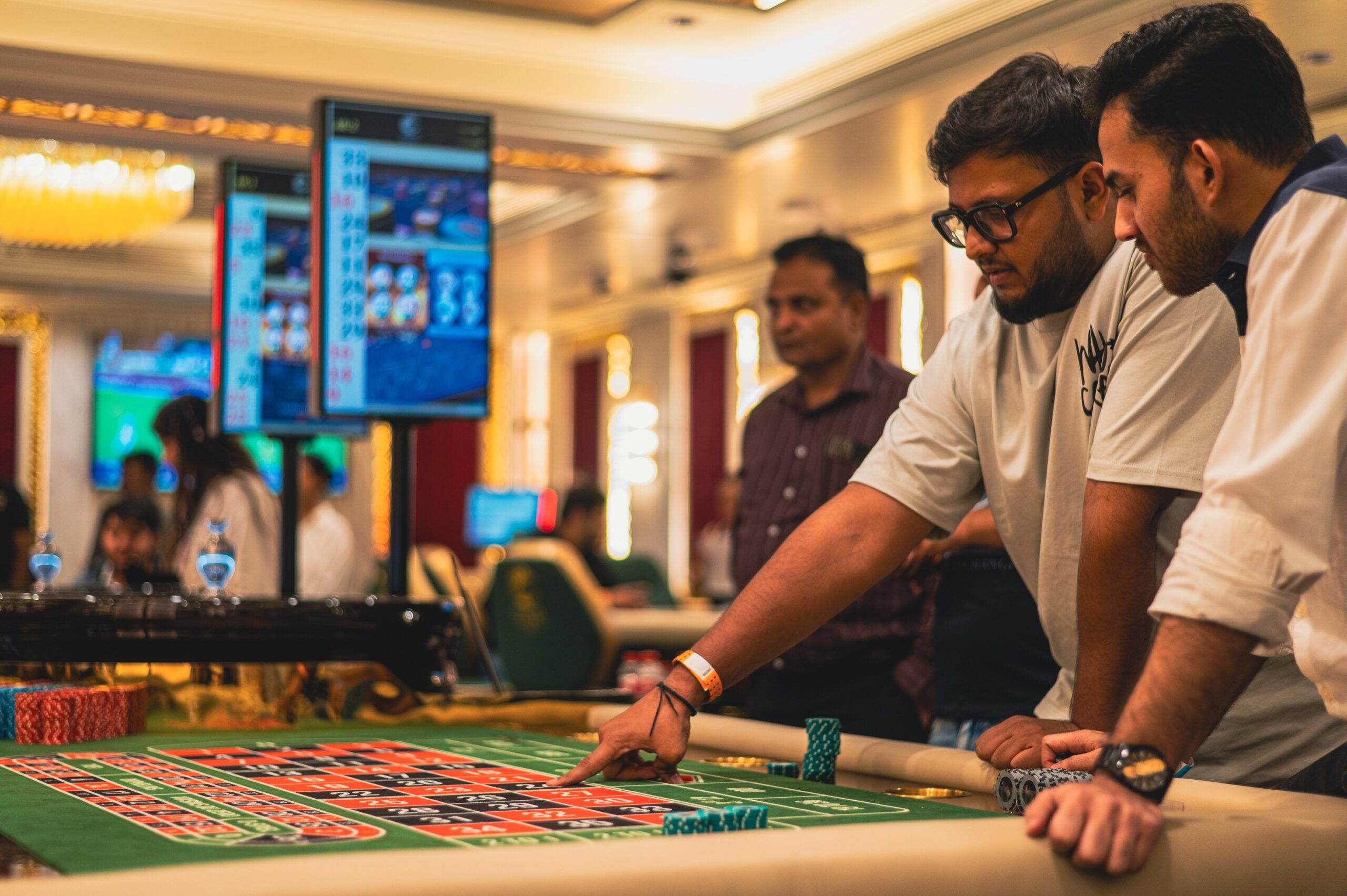
There is always a small moment before a player increases a bet. It is quiet and easy to miss. It does not look dramatic from the outside, but inside the mind, something important is happening.
A pause.
A feeling.
A short internal push that turns into action.
Most people think this decision is simple. Either the player feels lucky or they do not. But in reality, the mind goes through a mix of emotions, memories, and quick judgments before that button is pressed.
If you watch closely, this moment feels almost human in the simplest way. Like someone pausing before making a small decision they cannot fully explain.
Confidence Builds Slowly Before the Decision
In many cases, the decision to increase a bet does not appear suddenly. It builds over time.
A few small wins can create a quiet sense of progress. Even if the wins are not large, they create a feeling that things are moving in the right direction. The player begins to feel more comfortable.
That comfort slowly turns into confidence.
This effect is connected to a psychological idea known as reinforcement learning.
When the brain receives rewards, even small ones, it starts to expect more. It begins to believe that the current pattern might continue.
Small wins create a feeling of progress that builds confidence over time.
This confidence does not always come from wins alone. It can also come from familiarity.
After playing for a while, the player understands the flow of the game. The buttons feel easy. The pace feels natural. There is no confusion.
That sense of control is powerful.
A player once described it like this:
“After a few rounds, I just feel like I understand the game better, even if I know it’s random.”
This feeling is not about logic. It is about comfort. And comfort often leads to bolder decisions.
The Inner Conversation Between Risk and Reward
Right before the bet increases, there is usually a quick inner conversation.
It happens very fast, sometimes in less than a second.
One part of the mind focuses on reward. It imagines what could happen. A bigger bet could lead to a bigger win. The possibility feels exciting and close.
Another part of the mind thinks about risk. It reminds the player that losses can grow too.
This is a classic mental tug-of-war linked to what psychologists call prospect theory.
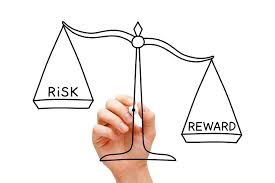
Players mentally balance potential gains against possible losses in a split second.
Here is what makes it interesting.
The decision is rarely based on pure logic. It is influenced more by emotion.
If the player feels good, the reward side becomes stronger. Hope becomes louder. The idea of winning feels more real.
If the player feels uncertain, the risk side may slow them down.
But in many cases, hope wins.
A common thought players report is:
“If I increase now, this could be the one.”
That single thought can outweigh several cautious ones.
Emotion Shapes the Final Push
The final moment before increasing a bet is strongly influenced by emotion.
If a player just had a win, even a small one, the timing feels right. The brain is still holding onto that positive feeling. It creates momentum.
Studies in behavioral psychology suggest that recent wins can increase risk-taking behavior by up to 20 percent, even when outcomes are random.
Positive emotions after a win can lead to higher bets in the next round.
But the opposite situation can lead to the same result.
After losses, some players feel a strong urge to recover. This creates a different kind of push.
Instead of thinking about opportunity, the mind focuses on correction.
A player might think:
“I just need one good round to balance this.”
This behavior is often linked to loss aversion.
Losses feel heavier than wins. Because of this, players sometimes take bigger risks to escape that feeling.
Real Player Thoughts in That Moment
When players describe this moment, their words often sound simple but reveal something deeper.
“It just felt like the right time.”
“I didn’t plan to increase, it just happened.”
“I thought I could win back what I lost.”
“I was already doing well, so I pushed a little more.”
These statements show that the decision is rarely calculated step by step. It is guided by feeling.
The Environment Also Plays a Role
The design and flow of the game also influence this moment.
If the game feels smooth, fast, and easy to use, the player feels more comfortable acting quickly. If the visuals and sounds are engaging, the emotional state becomes stronger.
Research shows that smooth interfaces can increase action frequency by over 25 percent, simply by reducing friction.
When everything feels easy, the decision feels easier too.
The Hidden Role of Timing
Timing matters more than most people realize.
The same player might react differently depending on when the moment occurs.
- After a win → feels like an opportunity
- After losses → feels like a recovery chance
- During a steady session → feels like a natural next step
Even though the action is the same, the meaning behind it changes.
This is what makes the moment so complex.
Final Thought: A Very Human Decision
From the outside, increasing a bet looks like a simple action. Just a tap or a click.
But inside, it is the result of many small processes coming together.
Confidence builds quietly.
Emotion shapes the direction.
Memory adds influence.
Timing creates urgency.
All of this leads to one small movement of the hand.
Next time you notice this moment, pause for a second.
Ask yourself what is happening inside.
Is it confidence from recent wins
Is it hope for something bigger
Is it the desire to recover
You may realize that the decision is not random at all.
It is deeply human.
A soft combination of feeling and thought, working together in a quiet way.
And in that brief moment before the bet increases, you can see how the mind really makes decisions.